
Slugging Skincare Routine for Dry Skin: Easy Night Guide
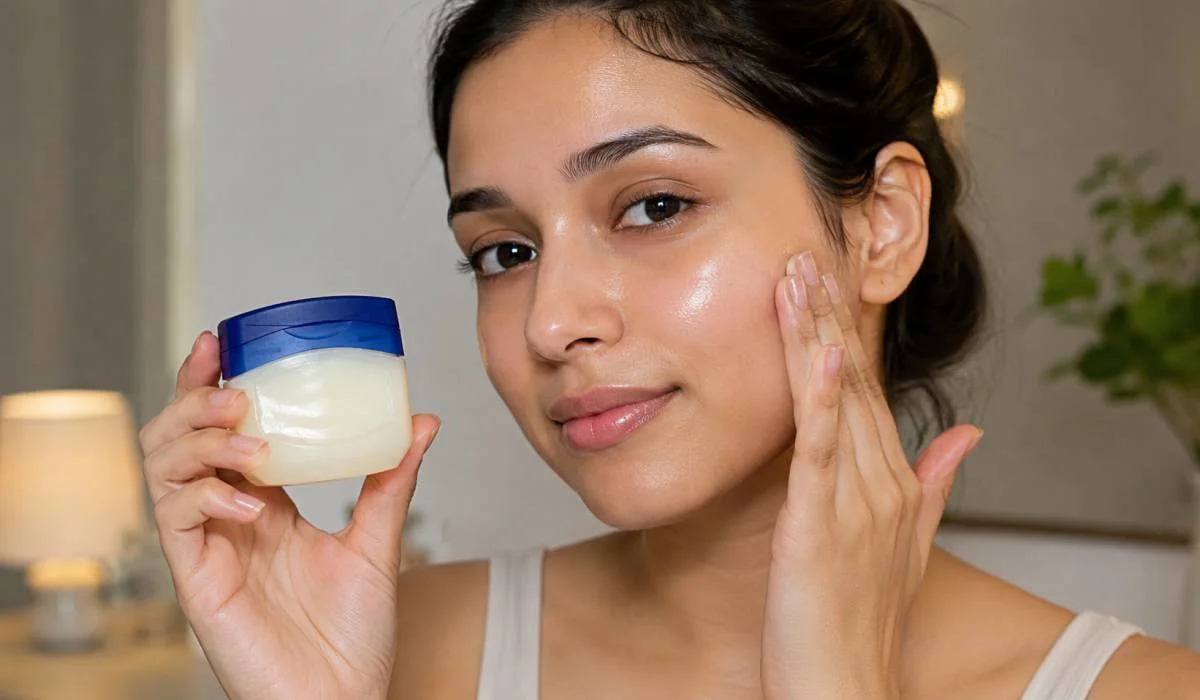
I have dry skin and honestly, it is a struggle. No matter how much moisturizer I put, my skin would feel tight again in a few hours. Winter was the worst. Flaky patches everywhere. My makeup looked terrible. Nothing seemed to work. Then I heard about slugging.
Sounded weird honestly. Putting Vaseline all over your face? I thought it would break me out. But I was desperate so I tried it. And honestly? My skin has never looked better. No more dry patches. No more tightness. Just soft, plump, hydrated skin. A good slugging skincare routine for dry skin changed everything for me. Let me tell you how to do it right.
What Is Slugging?
Slugging is a skincare technique where you apply a thick layer of occlusive ointment, like Vaseline, as the final step of your night routine . The name comes from the shiny, slug-like appearance it gives your face . Sounds weird but it works.
The idea is simple. You seal everything in. All your serums, all your moisturizer. The occlusive layer stops water from escaping your skin overnight . So you wake up with skin that feels soft, plump, and hydrated.
Slugging is not new. Dermatologists have recommended it for years to people with dry skin conditions . It just went viral on TikTok recently and now everyone is talking about it.
Read More: How to Get Glass Skin Naturally at Home
Benefits of Slugging
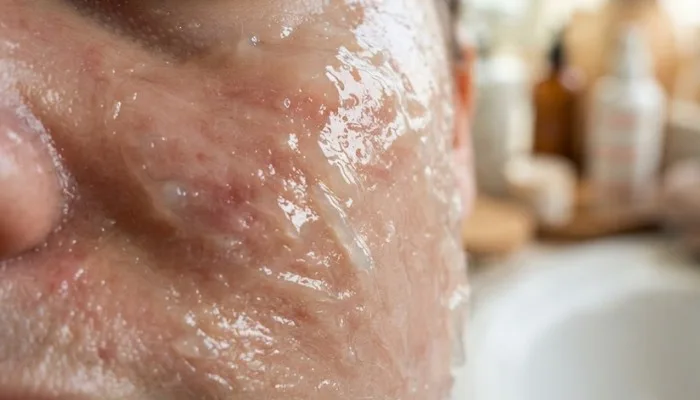
- Locks in moisture - Vaseline can reduce water loss from your skin by up to 98% . That is huge. Your skin stays hydrated all night long.
- Helps your other products work better - The occlusive layer traps all the serums and moisturizers you put on underneath . They absorb deeper instead of evaporating. Products you already have work harder.
- Repairs skin barrier - Your skin barrier protects you from irritants and bacteria. When it is damaged, your skin gets dry and sensitive. Slugging helps repair it by keeping moisture locked in .
- Soothes irritation - If your skin feels angry, red, or irritated, slugging calms it down. The protective layer gives your skin time to heal.
Slugging Skincare Routine for Dry Skin Step by Step
Step 1: Cleanse
Wash your face properly. All dirt, oil, and makeup have to go. If you leave anything on your skin and then seal it with Vaseline, it gets trapped underneath and can cause problems. Double cleanse if you wear makeup or sunscreen.
Step 2: Apply Your Serums
Put on your hydrating serums. Hyaluronic acid works really well under slugging . It pulls moisture into your skin and the Vaseline locks it there. Niacinamide is also good for dry skin.
But be careful with active ingredients. Do not use retinoids or exfoliating acids when slugging . They can irritate your skin more because the occlusive layer makes them penetrate deeper. Stick to gentle, hydrating products.
Step 3: Moisturize
Apply your regular moisturizer. Make sure your skin is still damp from your serums. This locks in that extra hydration.
Step 4: Apply Petroleum Jelly
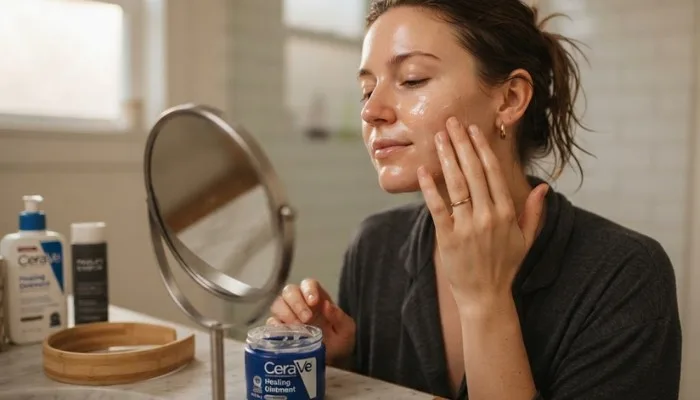
This is the slugging part. Take a pea-sized amount of Vaseline. Warm it between your fingers. Then gently pat a thin layer all over your face . You do not need a thick layer. Tiny bit works fine. Too much just makes a mess.
Step 5: Sleep
Go to sleep. That is it. The Vaseline works overnight while you rest. Your skin absorbs all the good stuff and you wake up glowing.
Step 6: Wash in the Morning
In the morning, wash your face with a gentle cleanser. Removes any leftover Vaseline. Then continue your normal morning routine. Sunscreen is a must.
Slugging Vaseline Benefits
Vaseline is the most popular slugging product. And for good reason. It is cheap and it works.
Petrolatum is the active ingredient. It is the most effective occlusive out there. Better than other oils and creams. It forms a strong barrier on your skin that stops water from escaping . Products with petrolatum can reduce water loss by up to 98% . Other products only manage 20-30%.
Also Vaseline is non-comedogenic. That means it does not clog your pores. You can use it on your face without worrying about breakouts. But if you already have acne, be careful . It can trap oil and dead skin cells and make breakouts worse.
Slugging Products That Work
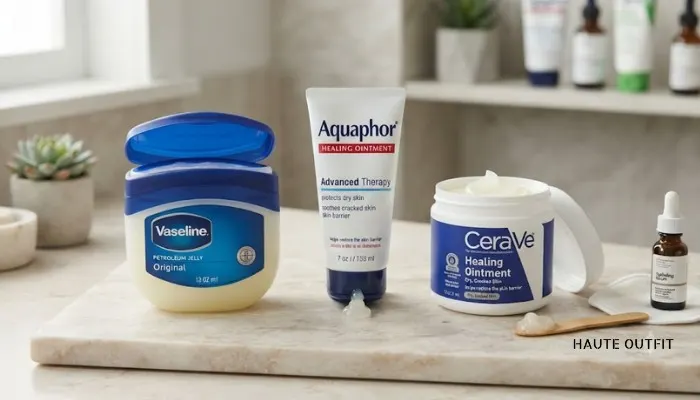
- Vaseline Original Petroleum Jelly - The most popular choice. Affordable and available everywhere. 100% petrolatum.
- Aquaphor Healing Ointment - Has petrolatum and glycerin. Glycerin draws moisture into your skin. Many people prefer this over plain Vaseline.
- Cerave Healing Ointment - Contains ceramides and hyaluronic acid. Good for repairing skin barrier.
- Palmer's Cocoa Butter Original Solid Jar - Cocoa butter is a natural occlusive. Good if you prefer something more natural .
- Nivea Creme - Thick and rich. Works well as an occlusive.
How Often Should You Do Slugging?
- For dry skin, you can slug 2-3 times a week . Some people do it every night. If your skin is very dry, daily is okay.
- If you have combination skin, focus on dry areas only. T-zone tends to be oily. No need to slug there.
- Start slow. Do it once a week and see how your skin reacts. Increase if it works for you.
Who Should Avoid Slugging?
Slugging is best for dry or normal skin types . It works wonders for people with dry patches, flaky skin, or sensitive skin that gets irritated easily.
But it is not for everyone.
- Oily or acne-prone skin - Vaseline can trap oil and dead skin cells. This can cause breakouts . If you already have acne, skip slugging or talk to a dermatologist first.
- Sensitive skin - Some people find Vaseline irritating, especially on broken skin . Do a patch test before trying it on your whole face.
- Skin reactions - Rare but possible. If you see redness or itching, stop.
If you use prescription acne treatments or retinoids, do not slug on the same nights. It can make irritation worse .
Tips for Better Results
- Do not use active ingredients - No retinol, no exfoliating acids on slugging nights. Stick to hydrating and soothing products.
- Less is more - Pea-sized amount is enough. Too much Vaseline is uncomfortable and makes a mess.
- Clean pillowcases - Vaseline will transfer to your pillow. Use a clean case you do not mind getting greasy. Change it regularly to avoid bacteria buildup.
- Do not slug if you are breaking out - Focus on healing acne first. Slugging over active breakouts can spread bacteria and make things worse.
- Wash properly in the morning - Cleanse your face gently but thoroughly. Leftover Vaseline can clog pores if you leave it on.
Final Words
Slugging completely changed my dry skin. Winter used to be a nightmare. My skin would flake, feel tight, and makeup looked terrible. Now I wake up with soft, hydrated skin that actually glows.
The best part is how simple it is. Wash face. Put moisturizer. Put Vaseline. Sleep. That is it. No expensive products. No complicated steps. Just a cheap tub of Vaseline.
Not everyone should do it. If you have acne-prone skin, be careful. But if your skin is dry, cracked, or irritated, give it a try. Start slow. See how your skin responds. I promise you, waking up to soft, plump skin is worth it.
FAQs
1. What exactly is slugging skincare?
Slugging means putting a thick layer of Vaseline or petroleum jelly on your face as the last step of your night routine. It seals in moisture and stops water loss while you sleep. The shiny look gives it the name "slugging" .
2. Is slugging good for dry skin?
Yes. Slugging works best for dry skin. It locks in moisture overnight and repairs your skin barrier. Waking up to soft, hydrated skin is the main benefit .
3. What products can I use for slugging?
Vaseline Original Petroleum Jelly is the most popular and effective choice. Aquaphor Healing Ointment and Cerave Healing Ointment are also good. Both contain moisturizing ingredients with petrolatum .
4. How to do slugging for dry skin at home?
Wash your face first. Put on your serums and moisturizer. Then take a pea-sized amount of Vaseline and pat a thin layer all over your face. Sleep with it on. Wash your face in the morning .
5. Does Vaseline clog pores?
Vaseline is non-comedogenic. This means it does not clog pores. But if you have acne-prone skin, it can trap oil and dead skin cells and make breakouts worse .
6. How often should I do slugging?
2-3 times a week is a good starting point. If your skin is very dry, you can do it more often. Start slow and see how your skin reacts.
7. Can I slug if I use retinol?
Do not slug on nights you use retinol. The occlusive layer makes retinol penetrate deeper and can cause irritation . Use retinol on alternate nights.
8. Is slugging safe for sensitive skin?
Most people tolerate it well. But some find Vaseline irritating, especially on broken skin. Do a patch test first .
9. Do I need expensive products for slugging?
No. Vaseline is cheap and works better than many expensive products. Petrolatum is the most effective occlusive out there .
10. Can I slug my whole face?
Yes, apply a thin layer all over your face. If you have oily T-zone, focus on dry areas only. Skip the oily parts.